
In this article
- How to Attract Birds to a Bird Bath
- 1. Where to Place a Bird Bath
- 2. How to Keep Your Bird Bath Water Clean
- 3. Provide Water Movement
- 4. Shallow Water is Key
- 5. Offer Perches Within Your Bird Bath
- 6. Make the Bird Bath Accessible (to YOU!)
- 7. Provide Cover
- 8. Have Food in the Yard — at a Distance
- 9. What Color Attracts Birds to a Bird Bath
- 10. What to Put in a Bird Bath Besides Water
- Bonus: Add Native, Bird-Friendly Plants Nearby
- Bonus: Keep Water Available (and Safe) Through Winter
- Fountainful: Your Source for Exceptional Bird Baths Handmade in the USA
- Types of Bird Baths to Attract Birds
- FAQ
Updated: 07-21-2026
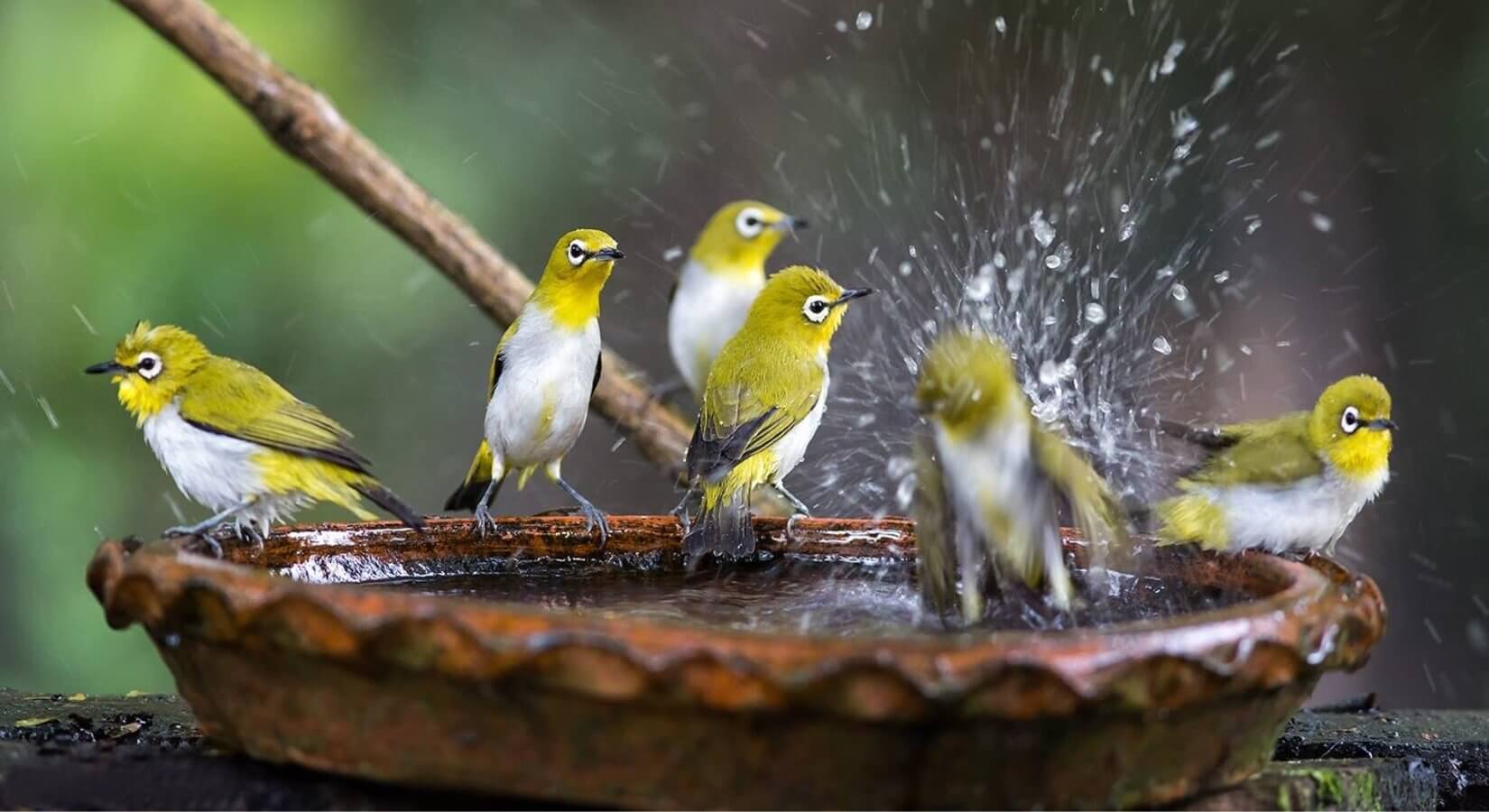
To attract birds to a bird bath, place it in a partly shaded spot 1–2 inches deep, add moving water with a dripper or bubbler, and change the water every few days to keep it clean. In fact, moving or standing water reliably pulls in a wider range of species than a seed feeder alone, since it appeals to insect- and fruit-eating birds that never visit a feeder. While a bit of patience is required before you can expect your new feathered friends, we've compiled this list of 10 tips — plus 2 bonus tips — to help you learn how to attract birds to your bird bath.
1. Where to Place a Bird Bath

At about 1.5 feet tall, the Frog & Lilies Bird Bath by Massarelli is 48 lbs. of concrete yet petite enough for versatile placement options.
A strategic placement is essential to effectively attract birds to your bird bath. It's important to select a spot that birds can see easily, both while perched in the trees, and while flying above. Aim for an ideal balance by positioning your bird bath in a location that will be visible to birds yet discreet enough to keep it hidden from potential predators.
Should a bird bath be in the sun or shade?
Place your bird bath in the shade, when possible, to keep the water cool and fresh — shade also slows evaporation on hot days, meaning less frequent refilling. Placement in the sun will not deter visitors forever – North American bird species are intelligent and resourceful. If the water or edge of the bird bath are too warm for their liking, they'll reattempt later.
And remember, many bird species will bathe in early morning hours while it is still naturally cool!
Fountainful Tip: Birds actually prefer a bit of distance between their houses, baths, and feeders, so don't crowd other features too close to the bird bath.
2. How to Keep Your Bird Bath Water Clean

Keeping the Quiet Reflections Concrete Bird Bath by Massarelli clean means getting to also enjoy its whimsically sculpted smiley face!
If you want to consistently attract birds to your bird bath it is critical to check the quality of the water regularly. Change it every few days to prevent the growth of algae and bacteria, and clean the bath regularly to remove dirt and deposits. This will also help to prevent mosquitoes.
Remember, birds will use your bird bath for bathing and drinking, so contaminated water can greatly impact their health.
Fountainful Tip: Be vigilant to clean your bird bath after heavy rains or extended periods of hot weather to prevent stagnation and unpleasant smells.
Fountainful Tip: Avoid placing bird baths under frequently shedding trees.
What to put in bird bath water?
Avoid using chemicals or soaps to clean the birdbath, as these can be harmful to birds. A brush and plain water are usually sufficient. When algae prevention is desired, consider a product that is environmentally friendly and anti-foaming, such as the FounTec Algaecide by EasyCare. A small amount of plain white or apple cider vinegar (about one tablespoon per gallon) can also help slow algae growth between cleanings — just be sure it's properly diluted, since too much can be harmful to birds.
3. Provide Water Movement

With its shallow platform, the Hydrangea Leaves Birdbath Fountain by Campania has its own source of water movement thanks to its function as a fountain. Not looking for a dedicated birdbath fountain? See the Tip below!
Researchers and bird enthusiasts have observed that the sound and sight of moving water, such as ripples or splashes, is more appealing to birds than still water. The movement can catch their eye and also suggest to them that the water is fresh and clean. Additionally, the sound of moving water can be heard from a distance which will help attract birds to your bird bath. Of all the tips in this guide, water movement is consistently cited as the single most effective one — it's worth prioritizing if you can only implement one change.
Fountainful Tip: Add a bubbler or dripper to your bird bath to prevent algae buildup. The water movement may also help catch the attention of migrating birds passing by! A small floating solar-powered pump is a low-cost way to add movement to a bird bath you already own, without any wiring.
4. Shallow Water is Key

The Old Sap Concrete Bird Bath by Massarelli has a 2.5" deep water bowl, ideal for most species of adult birds.
Birds show a clear preference for shallow water, typically around 1 to 2 inches deep. This depth is ideal for most songbirds, allowing them to bathe and drink without the risk of drowning. While most birds are good swimmers, very young birds, small species, or birds that become weakened or injured while in the water are at a higher risk of drowning. If your bird bath is deeper, it's a good idea to modify it to make it more bird-friendly.
Fountainful Tip: Transform a deep bird bath into a welcoming spot by adding a layer of clean pebbles or small stones. This not only reduces the water depth but also provides smaller birds with secure footing, making it easier and safer for them to enjoy the bath. The addition of natural elements will attract birds to your bird bath and also enhance its aesthetic appeal.
5. Offer Perches Within Your Bird Bath

The Fairy Birdbath by Fiore Stone features a sculpted fairy figure at the center of the bowl, giving smaller birds a built-in ledge to perch on.
Birds enjoy bird baths because they offer excellent opportunities to bathe and preen their feathers. Depending on the size and depth of your bird bath, you may want to add areas for smaller birds to perch which will make bathing easier for them.
Fountainful Tip: Create perching areas to attract birds to your bird bath by adding clean rocks or branches of varying sizes if your bird bath doesn't already have a sculpted perch built in. Get creative by matching the perches to your garden theme and decorative style.
6. Make the Bird Bath Accessible (to YOU!)

The beautiful Montebello Concrete Birdbath by Campania, while hefty at 79 pounds, can still be placed on certain ledges and tabletops for up-close enjoyment.
Bird baths should be easy to reach to make maintenance as efficient as possible. A readily accessible bird bath will make you more likely to keep up with the cleaning and refilling tasks that are essential to consistently attract birds to your bird bath.
Fountainful Tip: If your bird bath is located in the middle of a flower bed, add a simple stone path so you can access and clean the bird bath easily. Be sure that water replacement becomes part of a regular routine.
7. Provide Cover

All bird baths, like this modern Ribbon Concrete Bird Bath by Massarelli, should be placed where land and air-borne predators will not easily access it.
Bird baths should be a safe haven for smaller birds hiding from predators. Place bird baths in shaded or slightly secluded areas to protect smaller birds from land and air-borne predators.
Fountainful Tip: If your backyard doesn't offer natural protection, consider adding a tree, shrub, or another element for birds to quickly escape to if needed. This available protection creates a safer and more relaxing environment for birds passing by.
Fountainful Tip: Position feeders and baths away from places where cats and other predators can hide.
8. Have Food in the Yard — at a Distance

Most bird species prefer some distance between their bathing and eating areas. Pictured here: the Regal Embossed Concrete Bird Bath by Massarelli.
The easiest way to attract any animal is with food. By having a bird feeder available somewhere in the yard (but not TOO close to the bath), birds who first spot the feeder will be encouraged to check the surrounding area and ultimately discover your bird bath.
If you want to attract specific birds or live in an area with fewer birds, research online to determine the preferred food for your local species or migratory birds.
Fountainful Tip: Check out our Cedar Wooden Birding collection from Winter Woodworks which includes ornithologically correct birdhouses and feeders to attract birds to your bird bath.
9. What Color Attracts Birds to a Bird Bath

The Climbing Roses Birdbath by Fiore Stone features sculpted leaves and flowers across the pedestal and bowl — place it among flowers with colors known to attract your local birdlife.
Blue and green are generally the best colors for a bird bath, since they mimic the water and foliage birds already trust in nature. Earth tones like brown, tan, and gray also work well, helping the bath blend into its surroundings and making birds feel more secure while they drink or bathe.
That said, color preference isn't universal across species. Hummingbirds, for instance, are drawn to bright reds and pinks rather than the muted, natural palette most other birds prefer. Consider whether you're trying to attract a specific species or provide a more general bird bath when choosing colors.
Fountainful Tip: If you want to attract a specific species, research their needs and color preferences to attract and cater to them accordingly.
10. What to Put in a Bird Bath Besides Water

Keep bird baths and waterers clean with an abundance of accessories available in the marketplace. Pictured here: the St. Francis Pet & Wildlife Waterer by Giannini Garden Ornaments
While clean water is the most important ingredient to attract birds to your bird bath, adding other elements can further enhance its appeal. Bubblers or drippers, and perches as detailed in tips 3 and 5 can enhance the bath's appeal.
You can also place colorful stones or marbles at the bottom of the bath, which can sparkle and attract birds from a distance. Remember, the key is to ensure these additions are safe and non-toxic for the birds.
Fountainful Tip: If mosquitoes are a problem, consider adding a mosquito dunk to the bird bath. These are safe for birds and other wildlife and help prevent mosquitoes from breeding in the water.
Bonus: Add Native, Bird-Friendly Plants Nearby
A bird bath surrounded by the right plants does double duty — it gives birds food and shelter in addition to water, which makes the whole area far more attractive than the bath alone. Native shrubs and flowering plants suited to your region provide seeds, berries, and insects that align with what local species already eat, and they double as quick cover from predators.
Choose low-growing flowers, grasses, or shrubs that won't crowd the bath itself or block your view of it. A few feet of clearance around the bath keeps sightlines open for birds watching for predators, while still giving them a nearby place to retreat.
Fountainful Tip: A local extension office or native plant society can point you toward species that support the specific birds common to your area — what works well in the Pacific Northwest won't necessarily be the right pick in the Southeast.
Bonus: Keep Water Available (and Safe) Through Winter
Water becomes harder for birds to find in winter than food does — natural sources freeze over long before seed and berry supplies run out, which makes an ice-free bird bath one of the highest-impact things you can offer in cold months.
A small, thermostatically controlled bird bath deicer is the standard solution, and most are designed to sit safely in metal, resin, or stone basins without damaging them. That said, if you're using a cast stone concrete bird bath, the same freeze-thaw risk we cover in our fountain winterization guide applies here too: water that freezes and thaws repeatedly inside a porous concrete bowl can eventually cause cracking, even with a deicer running.
Fountainful Tip: In climates with hard freezes, consider using a shallow, freeze-safe bowl insert during winter months, or bringing a smaller concrete birdbath bowl indoors overnight when temperatures drop well below freezing, then refilling it each morning. This protects your investment while still giving birds a reliable water source.
Fountainful: Your Source for Exceptional Bird Baths Handmade in the USA
A successful bird bath becomes a popular "watering hole" for your local ecosystem! They provide birds with a safe haven to bathe, drink, and relax. In return, you get to enjoy their beauty while providing nourishment to wildlife.
View all of our bird baths within the Birding Collection.
Types of Bird Baths to Attract Birds
Bird baths come in various styles, sizes, and materials that fit any garden theme.
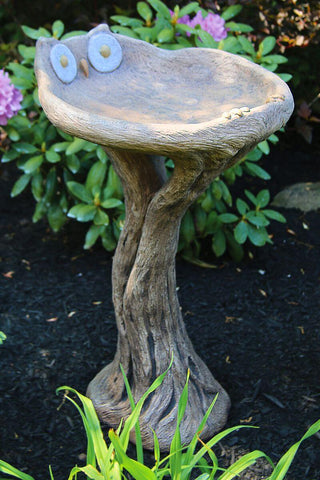
With one-piece bird baths, like the artfully sculpted Owl Concrete Bird Bath, the pedestal and bowl are molded together and do not separate.

Pedestal bird baths, like the stunning Birchwood Concrete Bird Bath pictured above, feature a removable bowl, which may make cleaning or refilling more convenient for some owners.

For an ultra natural look that incorporates the attractive element of moving water, consider this Triple Column Bird Bath Fountain – fabricated to look like real stone boulders. It includes an 3,200 gallon-per-hour pump to circulate water and attract birds to your bird bath.
FAQ
What can I put in my bird bath to attract birds?
To attract birds to your bird bath, ensure it has clean, fresh water. You can add a dripper or bubbler to create movement, which is particularly appealing to birds. Stones or pebbles can provide secure footing, and placing the bath near bird feeders and native plants can also help attract them.
Why won't birds come to my birdbath?
Birds may avoid a birdbath for several reasons. It could be too deep, not clean, or placed in an unsafe location. Ensure the water is shallow, the bath is clean, and it's placed near shelter but not too close to potential hiding spots for predators.
How long does it take for birds to find a bird bath?
The time it takes for birds to discover a new bird bath varies. It can be as quick as a day or two, or it might take several weeks. Consistently maintaining clean water and a safe environment will eventually attract them.
Do birds drink bird bath water?
Yes, birds use bird baths for both drinking and bathing. It's important to keep the water clean to ensure it's safe for them to drink.
Will birds use a dirty bird bath?
Birds are less likely to use a dirty bird bath. Dirty water can harbor bacteria or parasites and pose health risks to birds. Regular cleaning is essential to keep birds coming back.
Should I put a rock in my birdbath?
Yes, placing a rock or several pebbles in your bird bath can be beneficial. It provides birds with a place to perch and makes deeper baths more accessible and safer, especially for smaller birds.
What kind of bird baths do birds like best?
Birds generally prefer bird baths that mimic natural water sources. Shallow baths (1-2 inches deep) with a rough surface for grip are ideal. Birds are also attracted to baths with moving water, like those with a fountain or dripper.
Can you put vinegar in a bird bath?
Yes, you can add a small amount of apple cider vinegar to a bird bath to help prevent algae growth and keep the water clean. Use about one tablespoon per gallon of water. However, ensure it's diluted properly, as too much vinegar can be harmful to birds.
Can I use a birdbath heater in a concrete bird bath?
Most bird bath deicers are labeled safe for stone or concrete basins, but repeated freeze-thaw cycles can still stress cast stone concrete over time, even with a deicer running. This can cause surface cracks on the concrete. In climates with hard freezes, a shallow removable bowl insert, or bringing a smaller concrete bowl indoors overnight, offers more protection for the piece itself.
Do plants near a bird bath actually help attract birds?
Yes. Native shrubs and flowering plants give birds food and cover in addition to water, making the area more appealing overall than a bird bath on its own. Keeping a few feet of open space around the bath preserves clear sightlines so birds can still watch for predators while bathing.